The hanging bridge of transformation
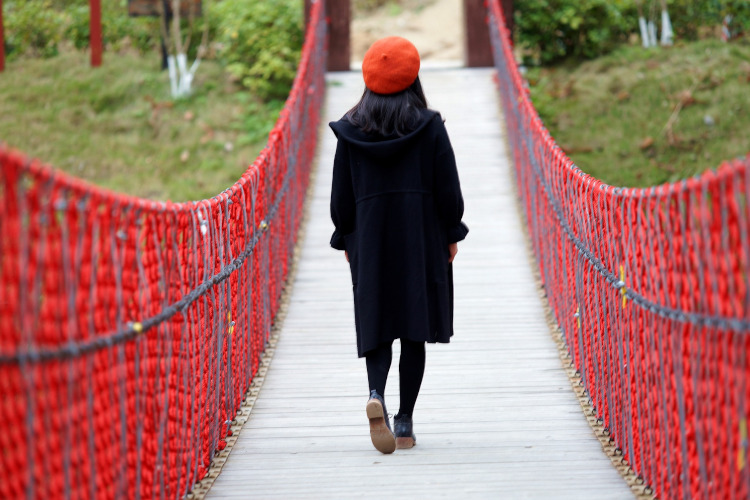
When I think about the life journey of the adolescent, I love to work with the metaphor of “The hanging bridge of transformation”. The journey on this bridge, is the journey from childhood to adulthood and have many developmental tasks towards a healthy, functional adult in society.
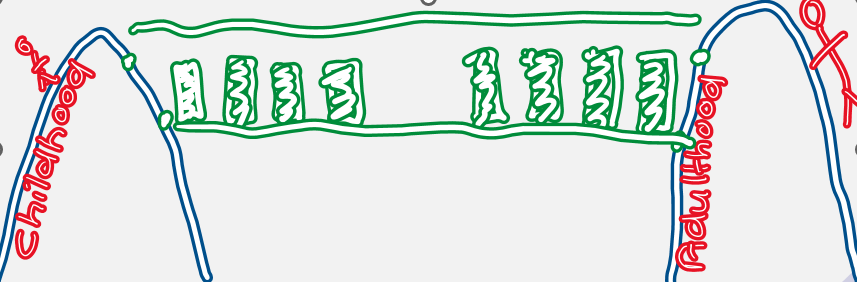
One of these developmental stages of adolescence, is to fashion an identity — a way of belonging to the human community — one that is both authentic and socially acceptable. This is not so easy in a left-brain society where we reward people for what they do, rather for who they are. We live in an egocentric, aggressively competitive, materialistic society where these discourses have dominant voices and power over our teens and influence this individuation process more than what we want to believe.
Becoming authentic means to know who you really are: To know where you stand, what you value, what you desire, what you tolerate and what you don’t (outside of these discourses of society, culture, religion and others), and to be able and willing to act accordingly, most of the time, despite the social risks.
What makes this development even more challenging is the second half of the task in this stage, namely, attaining social acceptability. To be a healthy adolescent, you need to belong to a real community. So, the way in which you express your authenticity means everything. You must learn how to be true to yourself in a way that at least some peers embrace.
This developmental stage ushers the adolescent into the stage when they begin to ask the big spiritual questions of life: Who am I beneath my social persona? What is life really about, beyond learning a skill, getting a job, establishing a primary relationship, or raising a family? What unique, mystical gift do I bring to the more-than-human community? As poet David Whyte says: “the truth at the center of the image you were born with,….”
As much as anything, the world today needs mature adults and initiators to support young people on this journey. Adults who will join them on this bridge of transformation, who will walk with them, listen to them and ask the difficult questions.
As a narrative therapist, working with adolescents, this is part of my work. The problem story might be part of childhood, might be part of the bridge, or might be part of adulthood. For me, to remember the transformation my clients are on, to help them and parents understand this, and the importance thereof, really guides us all on the journey to re-authoring a preferred story and identity.
It really is the greatest privilege when my adolescent client invites me onto this bridge, to walk this path with them. Thank you so much for the opportunity that Coram Deo gives me to journey with amazing young people.
Adolescent specialist counsellor


Counselling with children
Counselling with children This page will be updated over the following days with more information…
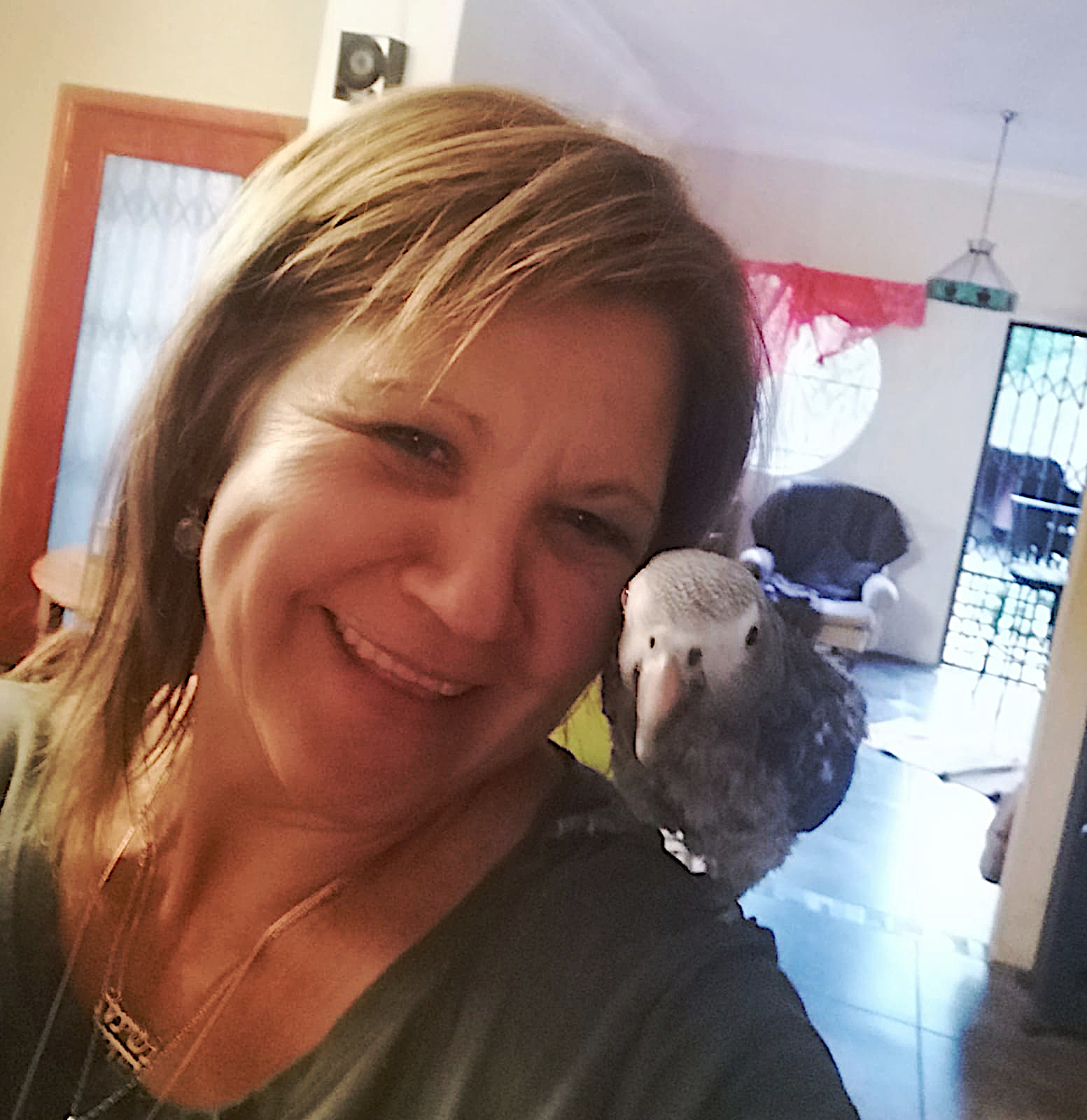
Hanlie Boshoff
Hanlie Boshoff I grew up as a country girl in Ermelo, studied B.com and worked…
PNT Intake 2022 recorded information event
Pastoral narrative therapy 2022 recorded information session Note: This information event took place in the…
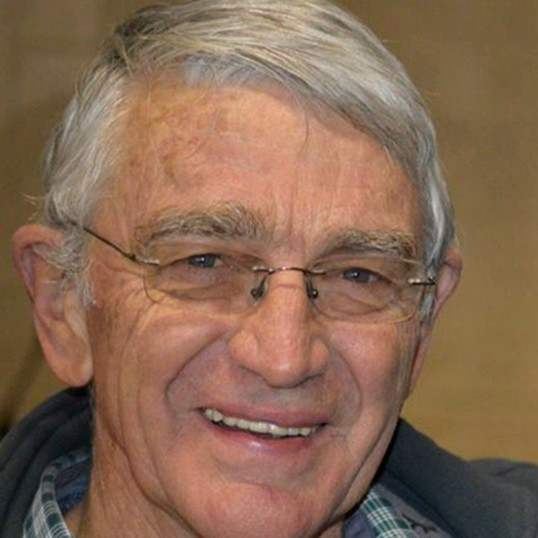
Faure Louw
Faure Louw Dr Faure Louw has been involved with Coram Deo as a counsellor and…